

Why Mid-Century Modern Homes Have My Heart (And Why Edmonton Has More Than You'd Think)
If you've spent any time with me, you already know this about me: I love a mid-century modern home the way some people love a certain era of music. The clean lines. The honesty of the materials. Walls of glass that blur the line between a living room and the trees outside. There's a reason people fly to Palm Springs just to look at houses. That city is the heart and hub of mid-century modern architecture — the place where Richard Neutra, William Krisel, John Lautner and of course the famous Frank Lloyd Wright and their contemporaries turned houses into art. One would say Edmonton will never compete with that concentration, however we have some subtle creators that have marked the map; Arthur Erickson (The Dyde House), and Jim Wensley. Edmonton has pockets — quieter, harder to find, and honestly, kind of thrilling when you stumble onto one!
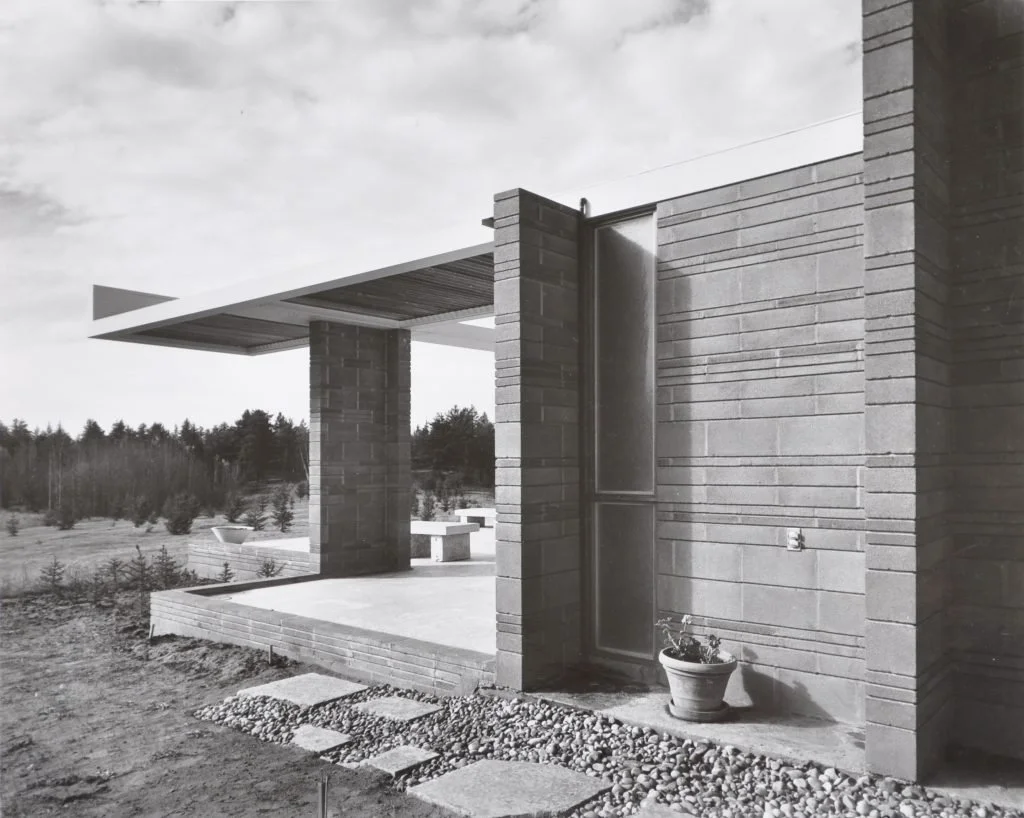
The Dyde House in its orginal state. (Image courtesy of Arthur Erickson Foundation) Edmonton, AB
And you don't need a sprawling glass-and-stone estate to feel it. Some of the best examples of mid-century modern in this city are humble. A duplex. A bungalow. A side street you'd drive past without a second look. I found a real gem like that once in Forest Heights — nothing flashy from the curb, but the details were all there if you knew to look for them. That's part of what makes this style so special to me: it was never really about size or spectacle. It was about proportion, light, and honest craftsmanship. A 900-square-foot infill of the era can hold just as much soul as a hillside estate. And yes I’ve stumbled upon one of those too in Parkland County…
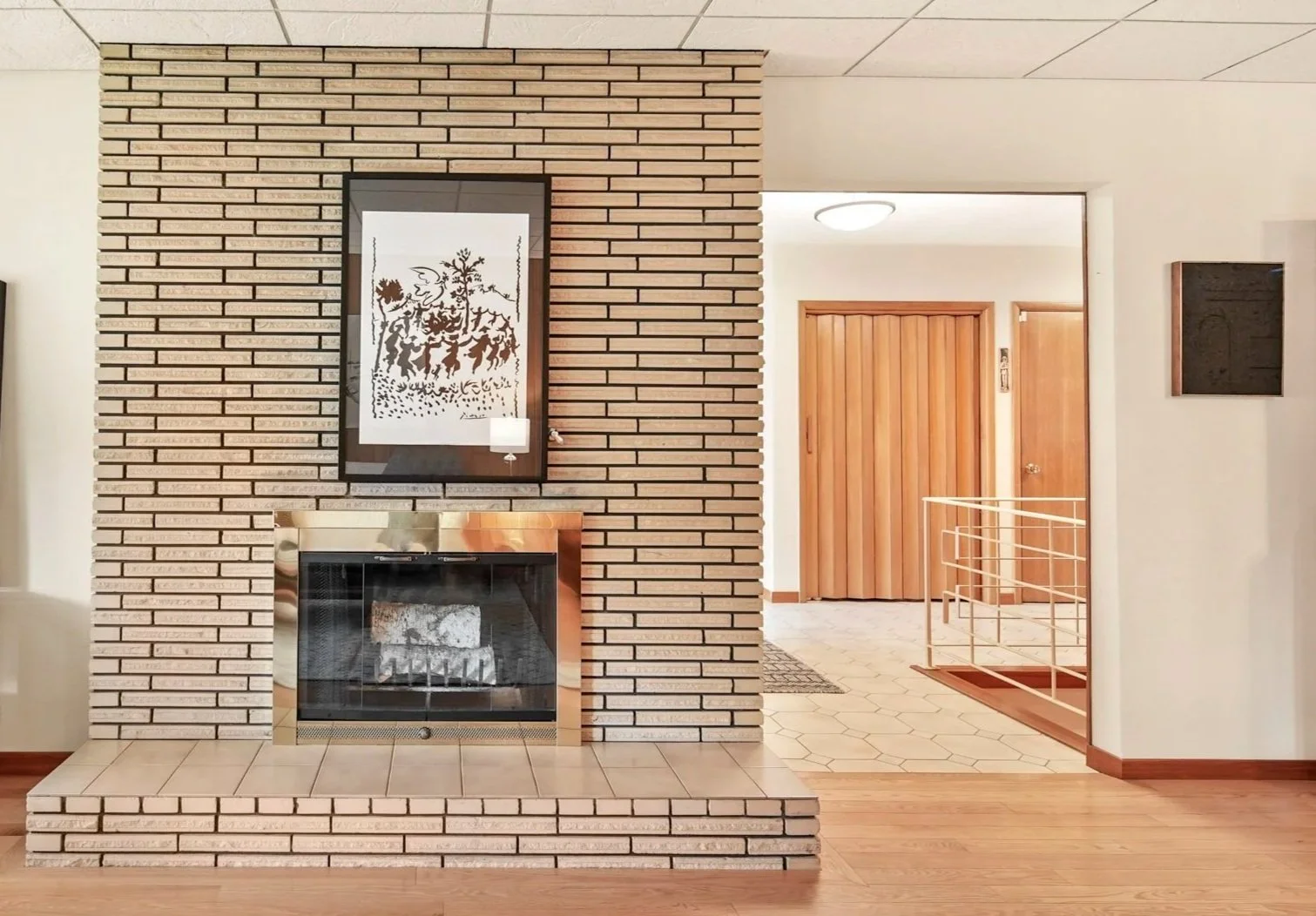
Edmonton has its pockets, if you know where to look. Highlands has a few beauties tucked among its river valley streets. Grandview and Laurier, both built out largely through the 1950s and 60s, have some wonderful examples if you go looking. Parkview has a couple worth a second glance too. And every so often, one of these homes hits the market and reminds the whole city what we've been driving past all along.
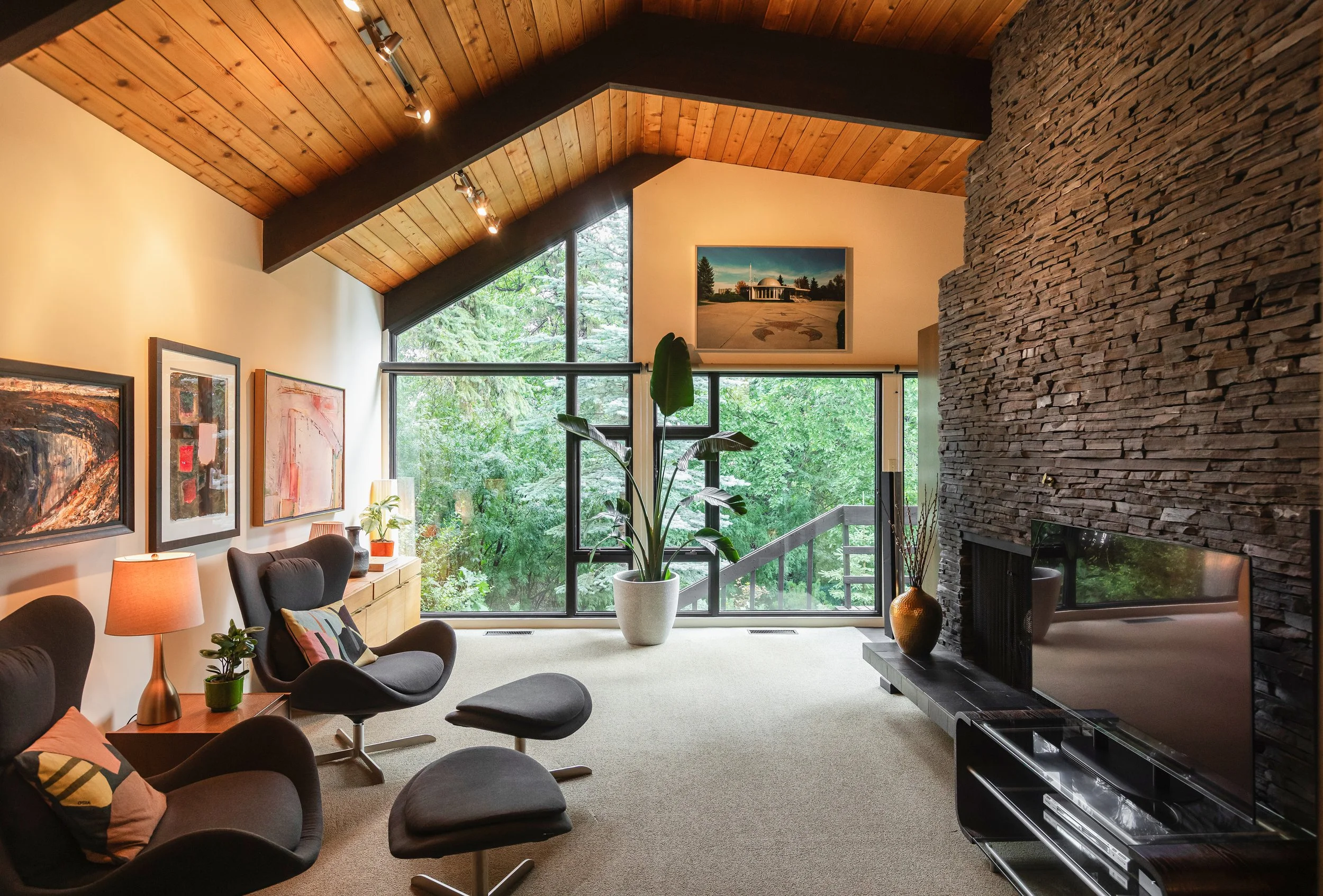
Laurier Heights
That happened recently with a stunning home in Laurier Heights, tucked into a quiet cul-de-sac, that felt like it had been lifted straight out of the hills above Los Angeles. Floor-to-ceiling windows. Trees pressing right up against the glass. You genuinely forgot you were standing in the middle of a city. The listing agent documented it beautifully, and I found myself going back to those photos more than once just to sit with them. It's a masterpiece — and it's also proof that a home built in the 1970s can still stop people in their tracks in 2026. That's not luck. That's good design doing exactly what it was built to do, five decades later.
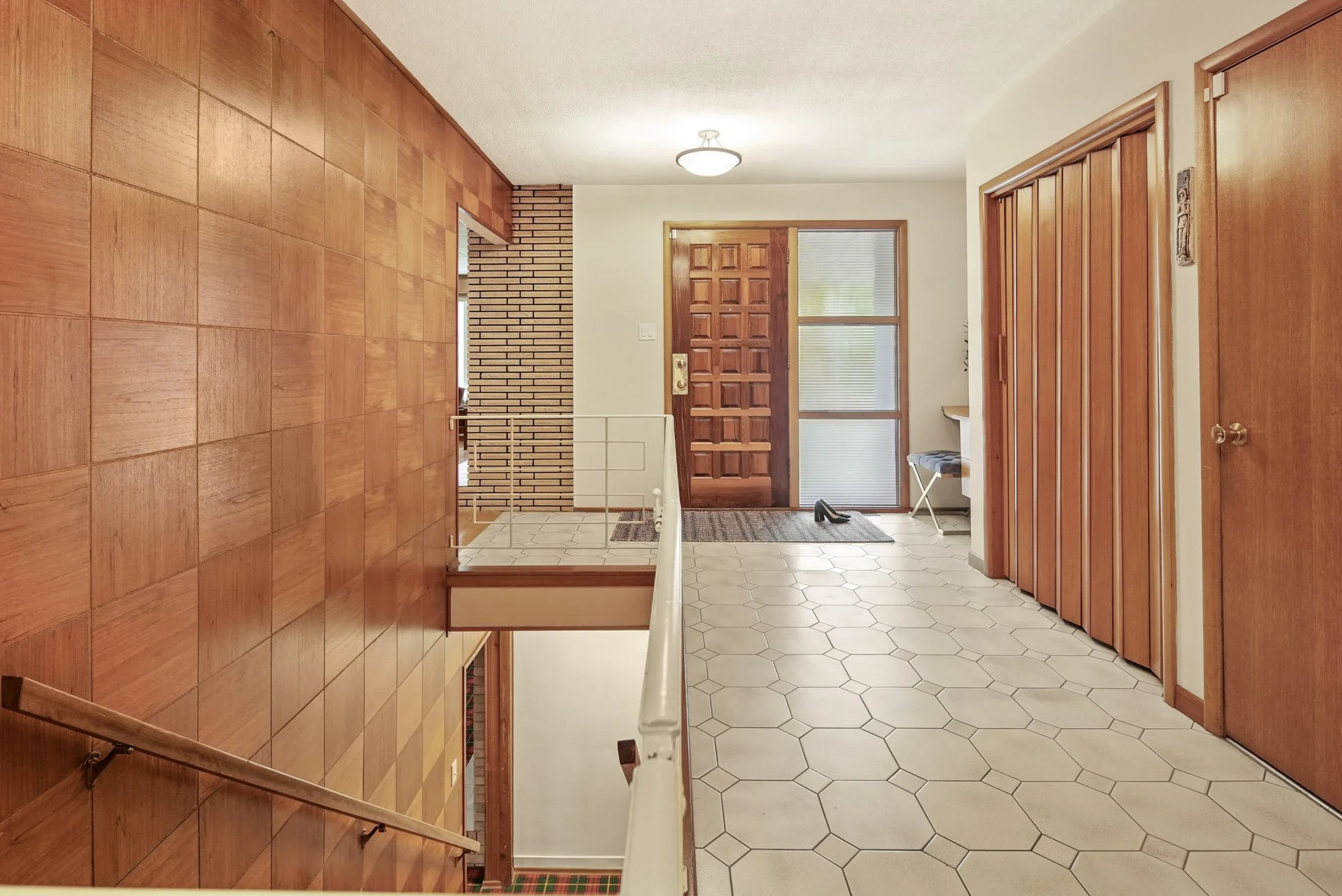
Parkview Bungalow
This is one of my favourite parts of this job, honestly. I get to go inside these homes. Sometimes it's an original, untouched since the day it was built, wood paneling and all. Sometimes it's a fresh reinterpretation. And every once in a while, it's a home that's been so lovingly preserved you can practically feel the architect's hand still on it. I don't think "art form" is too strong a word for what these architects were doing, and I don't think "artist" is too strong a word for them either. They were solving for light, for landscape, for how a family actually moves through a day — and they made it beautiful while they did it.
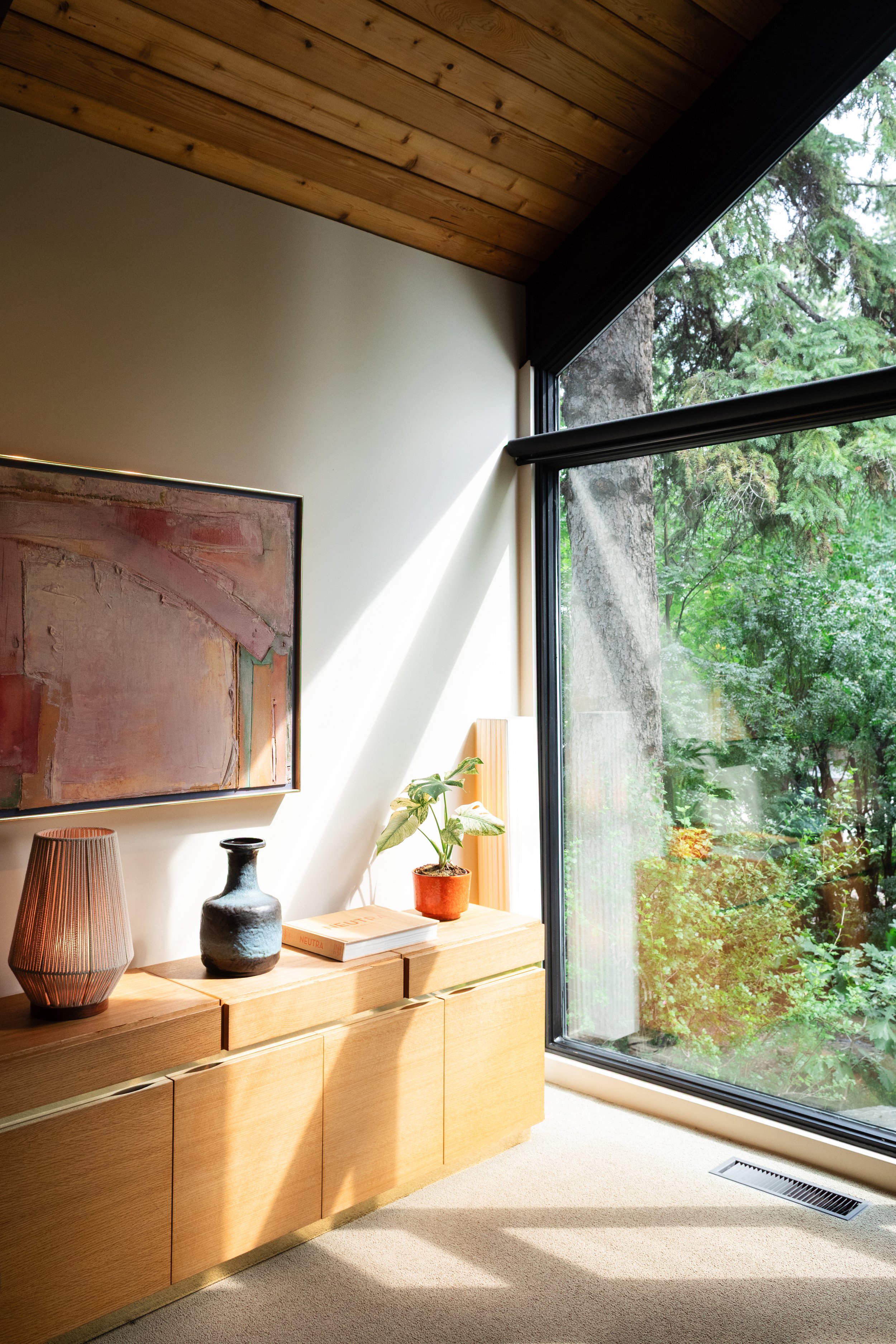
Laurier Heights
If I let myself dream a little: one day I'd love to work with a mid-century modern architect and build something from scratch. Floor-to-ceiling glass. Deep in the trees somewhere, so the forest becomes part of the house instead of just the view from it. Low, horizontal lines that let the land do most of the talking. That Laurier Heights home is about as close as I've seen to that dream already built — which tells you it's not actually that far-fetched. Somebody in this city did it fifty years ago. Somebody could do it again.
Here's where I'd love to bring this back around to real estate, because I think our industry has something to learn from this style. So much of what gets built today chases trend — the finish that's popular this year, the layout everyone's copying. Mid-century modern homes have outlasted every one of those cycles because they were never designed around a trend in the first place. They were designed around how people actually want to live: connected to light, to nature, to a sense of calm. When I walk a client through one of these homes, I'm not just showing them a listing — I'm showing them a case study in why good design doesn't go out of style. If you're renovating one of these homes, my advice is always the same: work with it, not against it. Keep the windows. Keep the lines. Resist the urge to chop up a floor plan that was drawn with real intention.
I want to keep exploring what Edmonton has tucked away in this style, and I want to start looking beyond our city limits too — there's a whole country of these homes I haven't seen yet. If you know of a mid-century modern home in Edmonton I haven't found — lived in, for sale, or just something you drive past and admire — I would love to hear about it. Send me a note.
I'll go find it.